

Robotic Joint Replacement
Ethical, Compassionate and comprehensive Orthopaedic care
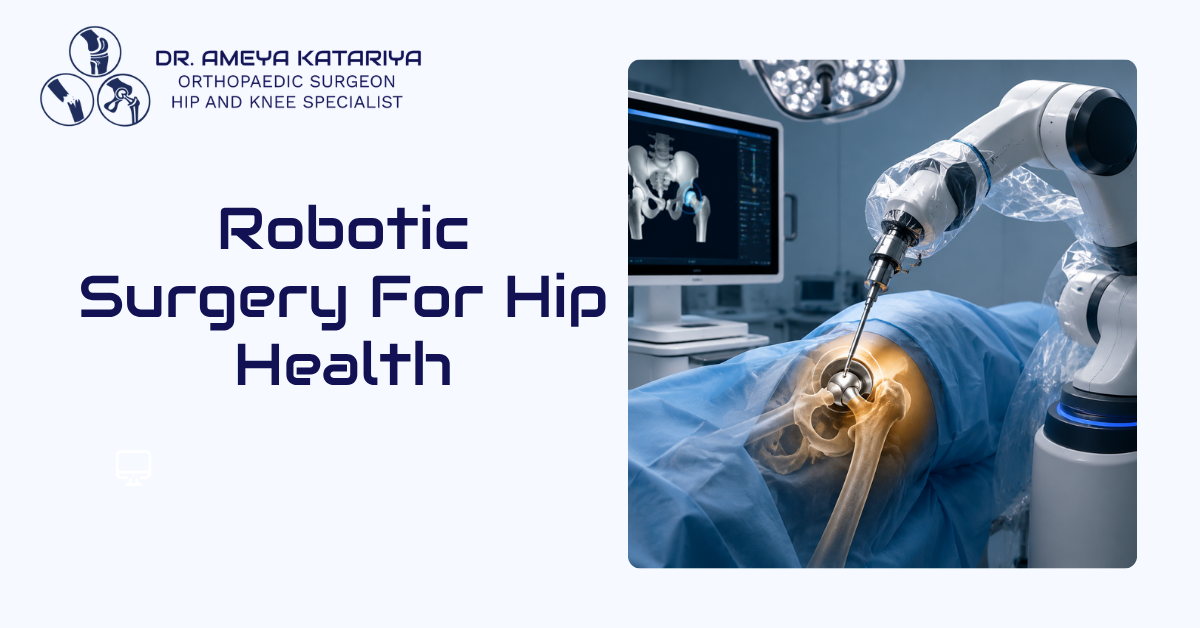
Hip pain caused by arthritis, injuries, or joint degeneration can significantly affect mobility and quality of life. Traditional hip replacement surgery has helped millions of patients regain movement, but advancements in technology have introduced robotic-assisted hip replacement as a more precise and personalized approach.
Robotic hip replacement combines advanced technology with the expertise of an experienced orthopaedic surgeon. It allows detailed surgical planning, accurate implant positioning, and improved outcomes for suitable patients.
Robotic-assisted hip replacement is an advanced surgical technique where robotic technology assists the surgeon during planning and implant placement.
The robotic system creates a detailed 3D understanding of the patient’s hip anatomy, helping the surgeon customize the procedure according to individual requirements.
Benefits include:
• Greater surgical precision
• Personalized treatment planning
• Accurate implant positioning
• Improved joint stability
• Faster rehabilitation support
• Better long-term functional outcomes
Every patient has unique hip anatomy. Robotic technology helps surgeons analyze bone structure, joint alignment, and implant positioning before surgery.
This detailed planning allows a customized surgical approach designed according to the patient's condition.
Correct implant positioning is essential for successful hip replacement outcomes. Robotic assistance helps surgeons achieve accurate placement, which may improve joint movement and stability.
Robotic-assisted procedures may involve smaller incisions and reduced disruption to surrounding tissues, supporting smoother recovery and rehabilitation.
With precise surgical planning and accurate implant placement, many patients experience improved mobility and can gradually return to daily activities with proper physiotherapy.
Robotic hip replacement may be considered for patients experiencing:
• Severe hip arthritis
• Chronic hip pain affecting daily activities
• Reduced hip movement
• Joint degeneration
• Previous hip injuries
• Difficulty walking or performing routine tasks
A detailed consultation helps determine whether robotic-assisted hip replacement is suitable for each patient.
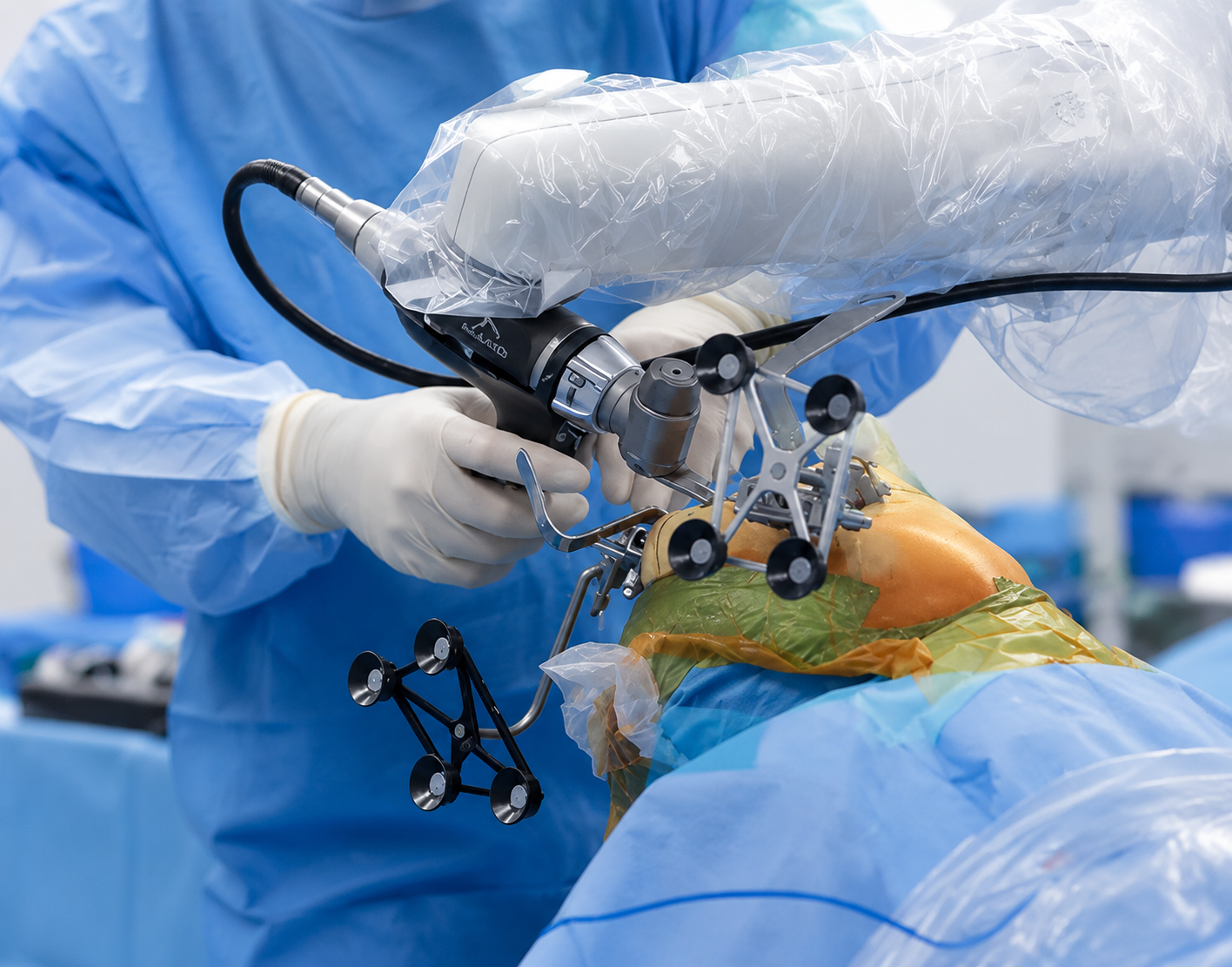
Both robotic-assisted and traditional hip replacement procedures are performed by skilled surgeons. The main difference is the additional precision and planning support provided by robotic technology.
Robotic-assisted surgery offers:
• Enhanced surgical planning
• Better understanding of patient anatomy
• Improved implant positioning
• Personalized surgical execution
Successful hip replacement depends on several factors, including surgeon expertise, technology, rehabilitation, and patient care.
An experienced orthopaedic surgeon ensures:
• Accurate diagnosis
• Proper treatment selection
• Safe surgical execution
• Effective recovery guidance
Advanced technology works together with surgical expertise to provide better patient outcomes.
Recovery varies from patient to patient but generally includes:
• Early mobility and walking assistance
• Physiotherapy exercises
• Strength-building activities
• Follow-up consultations
• Gradual return to daily activities
Following rehabilitation instructions plays an important role in achieving long-term success.
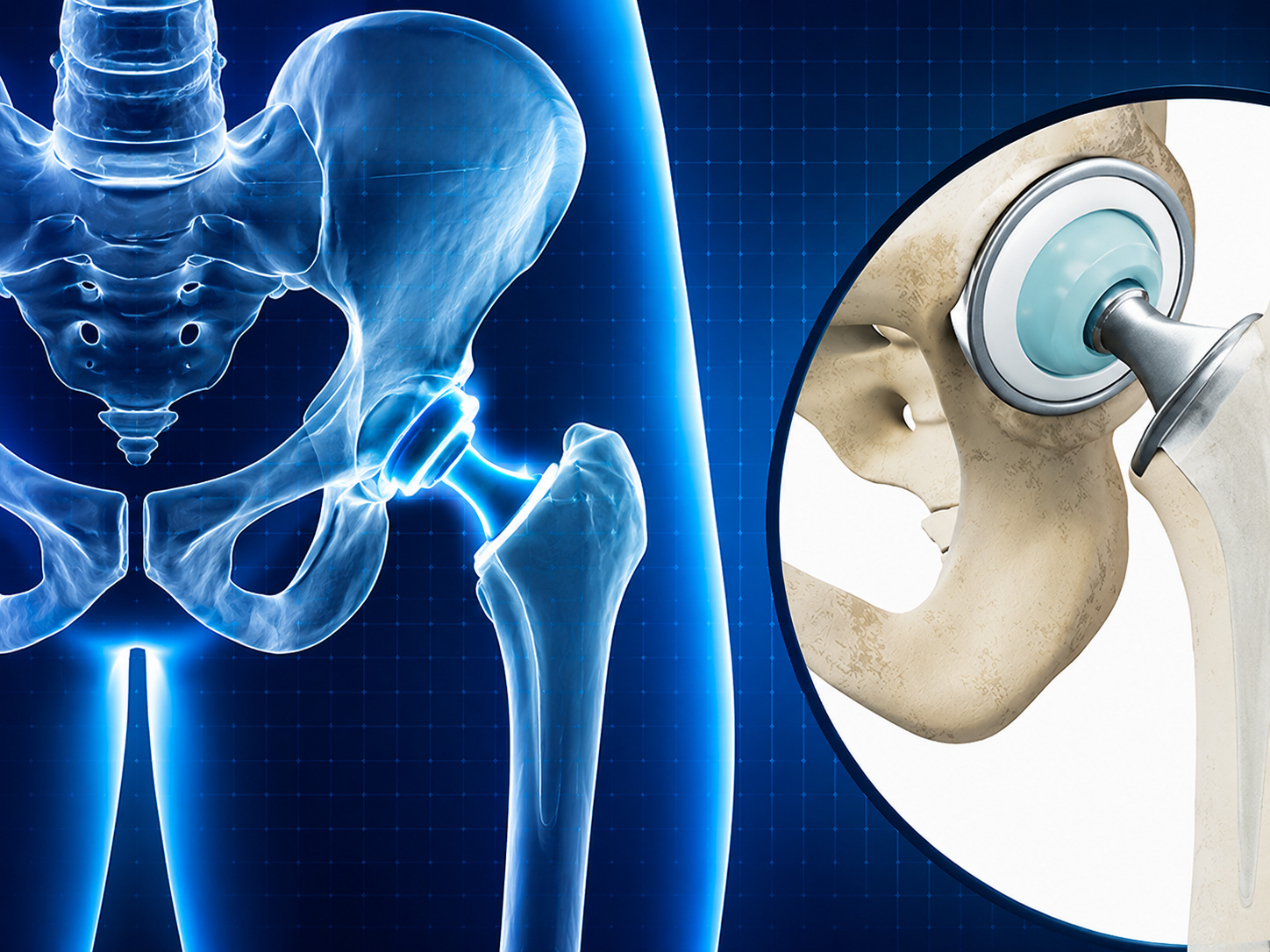
With proper care, robotic hip replacement can help patients achieve:
• Reduced hip pain
• Improved mobility
• Better joint function
• Increased independence
• Improved quality of life
Maintaining a healthy lifestyle, regular exercise, and follow-up visits support implant longevity.
Robotic hip replacement surgery represents a major advancement in modern orthopaedic care. By combining advanced technology with surgical expertise, it offers patients a more personalized approach to joint replacement.
From improved surgical planning and implant accuracy to enhanced recovery support, robotic-assisted hip replacement is helping transform the future of orthopaedics.
Patients experiencing severe hip pain or mobility issues can consult an experienced orthopaedic specialist to understand whether robotic hip replacement is the right treatment option.
Robotic Joint Replacement
Ethical, Compassionate and comprehensive Orthopaedic care