

Robotic Joint Replacement
Ethical, Compassionate and comprehensive Orthopaedic care
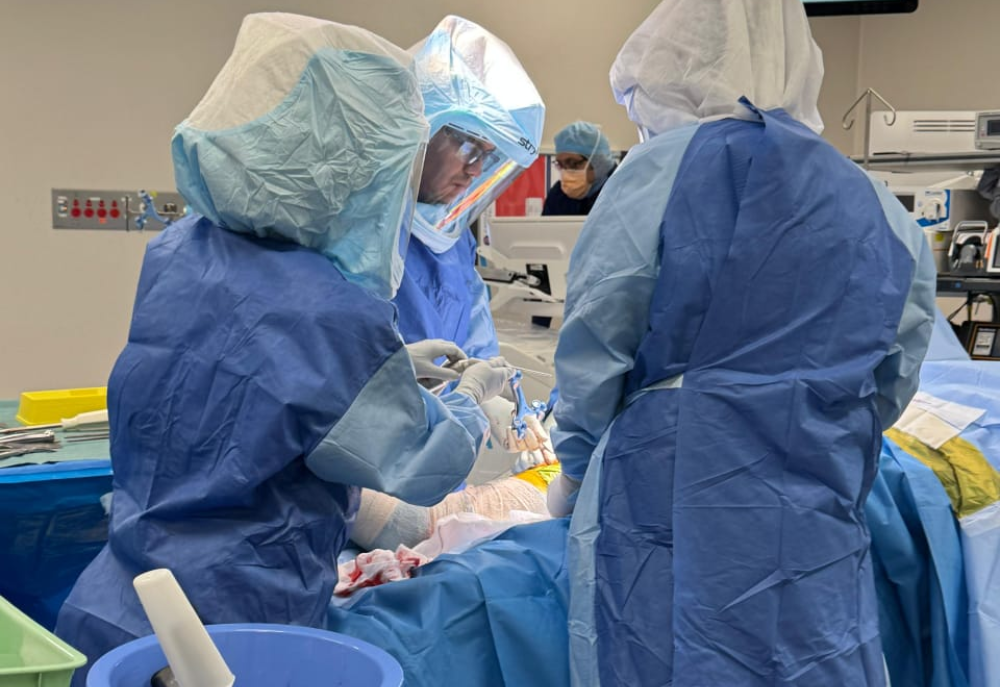
In the world of orthopaedic surgery, robotic hip and knee replacement surgeries have become a game-changer. As we move forward into 2026, the field is witnessing significant advancements in robotic technology, offering patients more precise and quicker recovery outcomes. This blog will explore the future of robotic hip and knee replacement surgery, highlighting the benefits and cutting-edge developments that make it a preferred option for many.
Robotic-assisted surgery involves using advanced robotic systems to help surgeons perform joint replacement operations with enhanced precision. These systems are guided by computer-assisted technology that allows for the customization of the surgery to each patient's unique anatomy, leading to better surgical outcomes and faster recovery times.
Robotic systems provide unparalleled precision in the placement of implants, reducing human error and optimizing the alignment of the artificial joint. This leads to better joint function and reduces the risk of complications post-surgery.
With the increased accuracy and minimal invasiveness of robotic-assisted surgeries, patients often experience less tissue damage, resulting in quicker healing and reduced hospital stays.
Unlike traditional methods, robotic systems allow surgeons to create a customized surgery plan for each patient, based on 3D imaging of their joint. This personalized approach results in better outcomes tailored to the specific needs of the patient.
The precision of robotic technology minimizes the chances of complications such as infection, bleeding, or misalignment, which could lead to the need for revision surgeries.
As robotic systems ensure a more accurate implant placement, the longevity of the artificial joint is enhanced, reducing the likelihood of needing a revision surgery in the near future.
Artificial intelligence (AI) is increasingly being integrated into robotic systems, offering real-time analysis and decision-making capabilities. This enhances the surgeon's ability to make informed decisions and improve the overall quality of surgery.
Advanced imaging systems are now available to surgeons during robotic-assisted surgeries, providing better visualization of the joint. This allows for more accurate preoperative planning and real-time adjustments during the procedure.
Post-surgery recovery is being enhanced with robotic technology. Wearable devices and robotic rehabilitation tools are aiding patients in faster recovery and rehabilitation, providing real-time data on their progress and suggesting the best recovery paths.
Continued innovation in minimally invasive surgery techniques is further reducing recovery times and minimizing surgical scars. These techniques also make the surgery less stressful for the body, which helps with faster recovery.
With robotic surgery continuing to evolve, the benefits are clear. Patients are experiencing quicker recoveries, better outcomes, and fewer complications than ever before. As technology advances, we can only expect these benefits to improve, making robotic joint replacement surgeries a top choice for those dealing with hip and knee arthritis or injuries.
As robotic technology advances, the future of hip and knee replacement surgery is looking brighter than ever. With benefits such as precision, reduced recovery times, and longer-lasting results, robotic-assisted surgeries are becoming the gold standard in orthopaedic care. Whether you’re considering surgery for arthritis, injury, or degeneration, robotic hip and knee replacement offers an innovative and effective solution that could drastically improve your quality of life.
Robotic Joint Replacement
Ethical, Compassionate and comprehensive Orthopaedic care