

Robotic Joint Replacement
Ethical, Compassionate and comprehensive Orthopaedic care
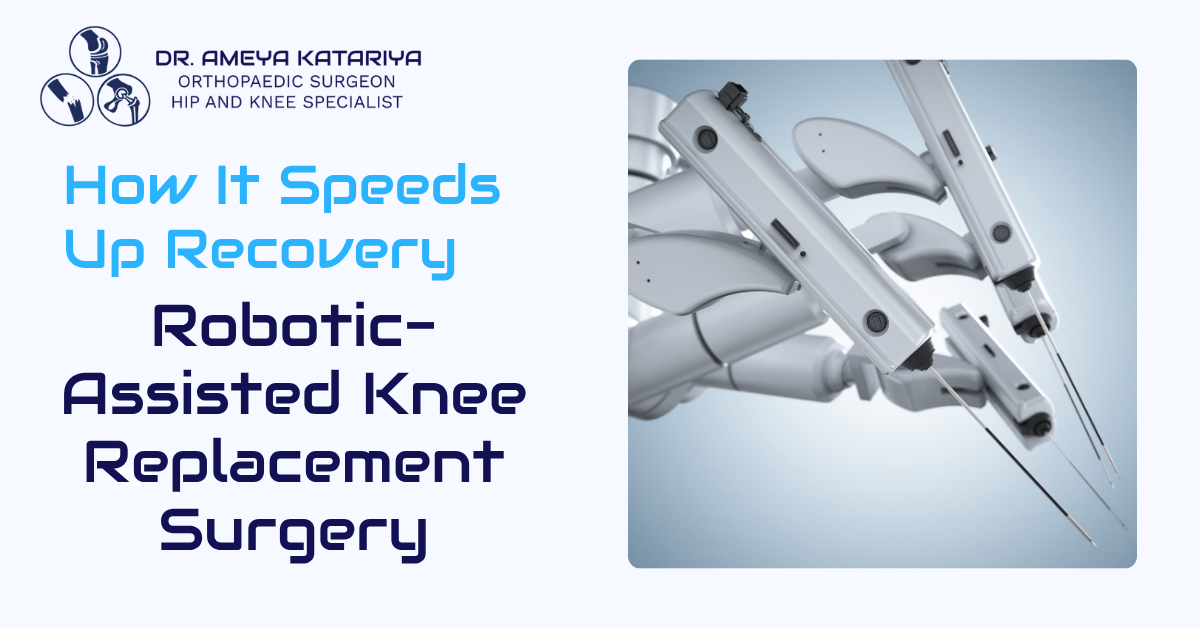
Knee replacement surgery is a life-changing procedure for those suffering from severe arthritis or joint degeneration. In 2026, robotic-assisted knee replacement surgery has emerged as a revolutionary approach to enhance precision, reduce recovery times, and improve patient outcomes. This blog delves into how robotic technology is transforming the recovery process for knee replacement surgery, offering patients quicker healing times and better long-term results.
Robotic-assisted knee replacement surgery utilizes advanced robotic systems that assist surgeons in performing knee replacements with increased precision. These systems use computer-guided technology to map out the patient's knee anatomy and create a customized surgical plan. The robot helps the surgeon achieve optimal alignment and positioning of the implant, significantly improving the accuracy of the procedure.
Robotic surgery often involves smaller incisions compared to traditional methods. This results in less disruption to the surrounding tissues and muscles, leading to faster recovery and less postoperative pain. Patients experience fewer complications, resulting in shorter hospital stays and quicker returns to their daily activities.
The precision offered by robotic systems allows for more accurate placement of the implant. Proper alignment is crucial for joint function and longevity, and robotic assistance minimizes the risk of errors. This precision reduces the need for revision surgeries and contributes to quicker functional recovery post-surgery.
One of the key benefits of robotic surgery is its ability to create a personalized surgery plan based on detailed imaging of the patient's knee. This customized approach ensures that the surgery is tailored to each individual's anatomy, leading to better alignment and reducing the time required for recovery.
By offering greater precision in the surgery, robotic systems significantly reduce the risk of complications such as infection, bleeding, and misalignment. This decreases the chances of prolonged recovery or the need for additional procedures, allowing patients to heal faster and with fewer setbacks.
With robotic-assisted surgery, patients often experience a quicker recovery because of the reduced trauma to the tissues. As a result, rehabilitation begins sooner, allowing patients to regain strength and mobility at an accelerated pace.
AI is enhancing the decision-making process during robotic knee replacement surgeries. AI helps the robotic system analyze data in real time, assisting the surgeon with optimized treatment plans. This contributes to a higher level of surgical accuracy and better patient outcomes.
Robotic-assisted surgery uses cutting-edge 3D imaging to map the patient's knee joint in detail. Surgeons can visualize the knee from all angles, enabling them to plan the surgery with more precision, reducing the risk of errors and improving the overall surgical result.
Post-surgery recovery is also benefiting from robotic advancements. Wearable recovery devices that track progress and provide feedback on rehabilitation are now being integrated into the recovery process. These devices offer patients real-time data, helping them make informed decisions about their recovery and progress.
Robotic-assisted knee replacement surgery offers an innovative solution to patients looking for a less invasive, more accurate approach to knee replacement. With the advantages of faster recovery, reduced pain, and fewer complications, this type of surgery is becoming increasingly popular among patients. As technology continues to evolve, it is expected that these procedures will only get more refined, providing better outcomes and further reducing recovery times.
Robotic-assisted knee replacement surgery is revolutionizing the way knee joint surgeries are performed. With benefits like faster recovery times, fewer complications, and better overall results, patients are experiencing improved outcomes compared to traditional methods. As technology advances, robotic surgery will continue to play a crucial role in transforming knee replacement procedures, offering patients a brighter, pain-free future.
Robotic Joint Replacement
Ethical, Compassionate and comprehensive Orthopaedic care