

Robotic Joint Replacement
Ethical, Compassionate and comprehensive Orthopaedic care
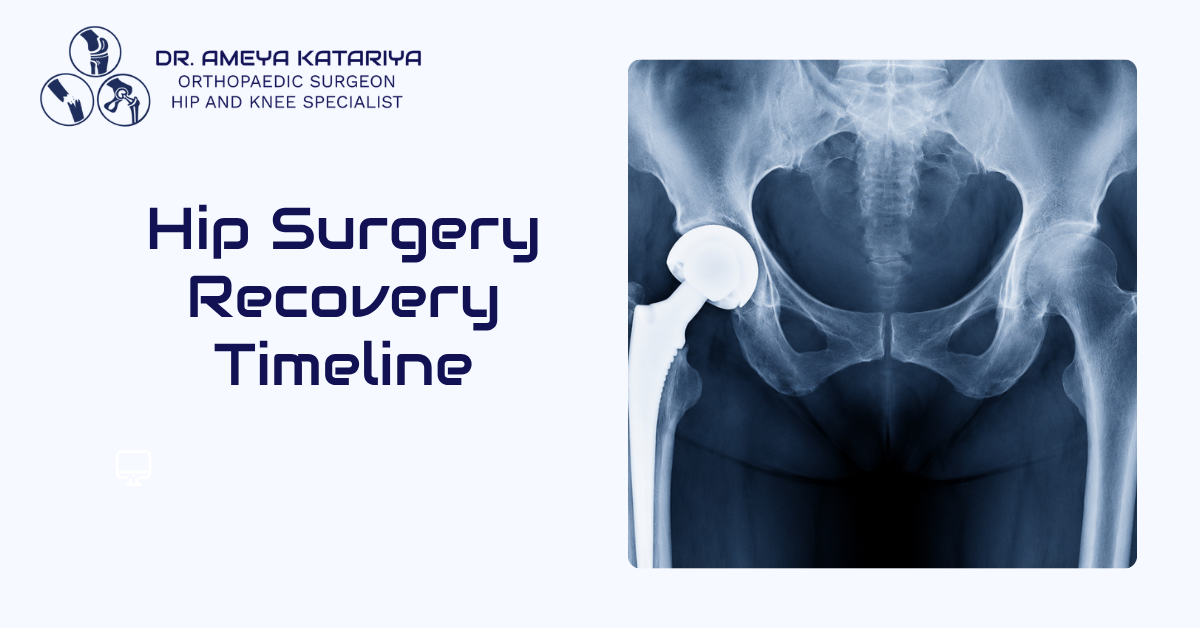
Total hip replacement is a transformative procedure that can relieve chronic hip pain, restore mobility, and improve quality of life for patients suffering from arthritis, injury, or hip degeneration. While the surgery itself is highly effective, understanding the recovery process is crucial for a successful outcome. This guide provides a detailed roadmap of what patients can expect after total hip replacement, with insights from Dr. Ameya Katariya, a fellowship-trained hip and knee orthopaedic surgeon based in Pune, Maharashtra.
After total hip replacement surgery, patients are usually monitored in the hospital for 2–5 days, depending on their overall health and the complexity of the procedure.
Postoperative pain is managed with medications, which may include oral painkillers, anti-inflammatories, or patient-controlled analgesia in the hospital. Robotic-assisted and minimally invasive hip replacements often result in less pain due to smaller incisions and reduced tissue trauma.
Patients are encouraged to begin gentle movement within 24 hours of surgery. Walking with a walker or crutches helps improve circulation, reduces the risk of blood clots, and starts the rehabilitation process early.
Medical staff closely observe vital signs, wound healing, and overall mobility. Early detection of complications such as infection, swelling, or implant issues ensures timely intervention.
Physiotherapy is a critical component of recovery, helping patients regain strength, flexibility, and joint stability.
Patients are guided through gentle range-of-motion exercises to prevent stiffness and maintain hip mobility. These exercises may include ankle pumps, leg lifts, and hip rotations.
As recovery progresses, physiotherapists introduce weight-bearing exercises and muscle strengthening routines to improve the function of the hip and surrounding muscles.
Dr. Ameya Katariya emphasizes individualized rehabilitation plans tailored to each patient’s age, physical condition, and activity level. A structured rehab schedule helps patients regain independence safely.
Adapting daily routines is essential to protect the new hip joint and facilitate recovery.
Using assistive devices initially, patients gradually transition to independent walking. Avoid high-impact activities such as running or jumping in the early stages.
Rearranging furniture, installing handrails, and ensuring clear walking paths reduce the risk of falls. Keeping frequently used items within reach helps avoid excessive bending or twisting.
Sleeping with a pillow between the legs or on the back is recommended to maintain proper hip alignment. Adequate rest supports tissue healing and overall recovery.
Nutrition plays a vital role in healing and regaining strength after surgery.
Recovery timelines vary, but most patients experience gradual improvement in mobility and function over several months.
Patients can usually resume driving once they have regained sufficient leg strength, typically 4–6 weeks post-surgery, depending on individual recovery and physician clearance.
Light activities may be resumed within a few weeks. Heavy lifting or physically demanding tasks should be avoided until cleared by the surgeon.
Low-impact activities such as swimming, cycling, or walking are generally encouraged. High-impact sports or activities that risk falls should be avoided for several months.
Proper long-term care ensures the hip implant remains functional for years:
Robotic-assisted hip replacement offers additional benefits that improve post-surgery outcomes:
Dr. Ameya Katariya uses robotic-assisted techniques to ensure patients experience minimal trauma, quicker rehabilitation, and long-term hip stability.
Total hip replacement is a life-enhancing procedure that can restore mobility, reduce pain, and improve quality of life. Understanding what to expect post-surgery—from hospital recovery and physiotherapy to daily activities and long-term care—helps patients recover confidently and safely. With robotic-assisted surgery and guided rehabilitation, patients in 2026 can enjoy faster recovery, precise results, and lasting hip function. By following Dr. Ameya Katariya’s expert advice, you can navigate your post-surgery journey effectively and return to the activities you love.
Robotic Joint Replacement
Ethical, Compassionate and comprehensive Orthopaedic care